How to Match Metal Roof Screw Colors
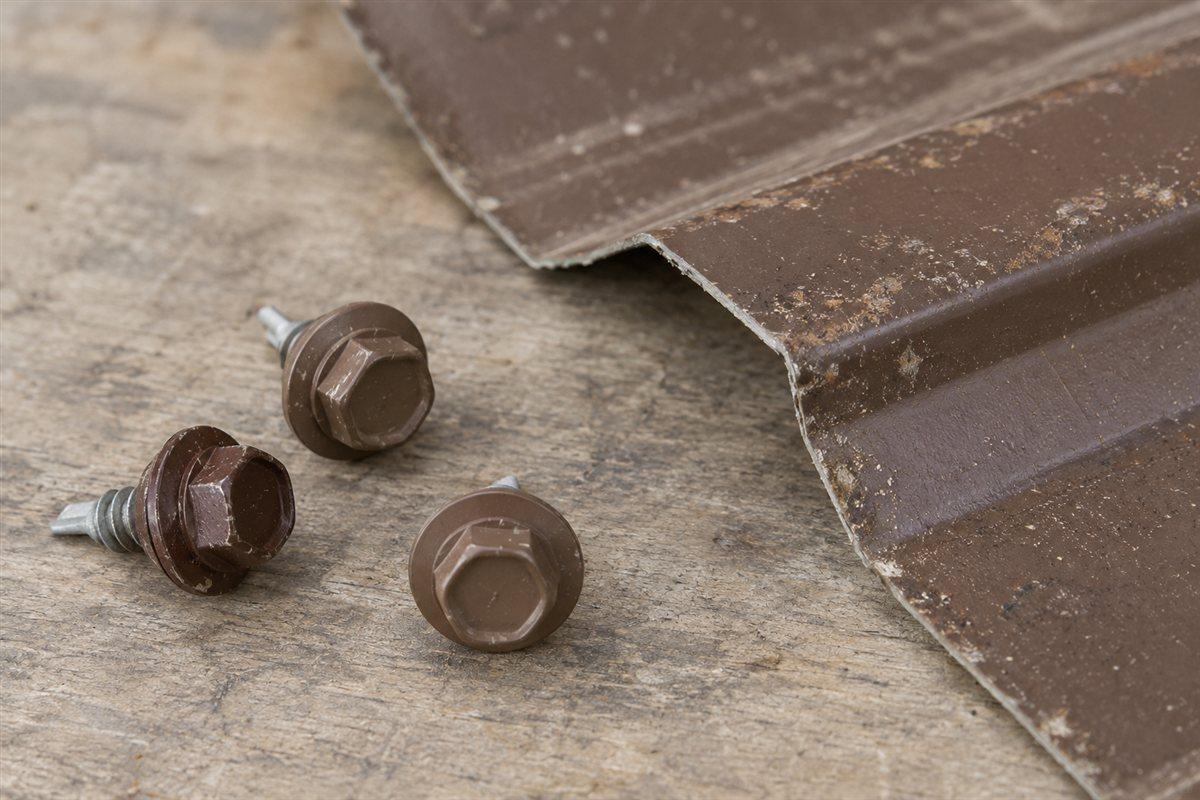
Start with the panel's finish code if you have it. Then compare a physical screw sample with the surface where its head will show. A screen swatch or a name such as brown cannot establish an exact match.
An older panel may look different from its original finish. Decide whether you are matching its current appearance or matching new panels in the same work. Keep those two goals separate before searching for screws.
Color comes after screw type. A close shade cannot make an unsuitable point, length, or washer suitable for your building.
Find the finish name without guessing
Look through old invoices, panel wrapping, and spare materials. Copy the panel maker, color name, and code into your own notes. A finish code is the identifier used for a particular surface finish or shade.
Write the finish family too, if stated. Do not shorten a long description to a general color. Keep a photograph of the original label so you can revisit unclear letters.
Fastener color references can map a panel name and code to a separate screw paint code. Those codes need not be identical. Ask for the matching screw reference rather than assuming the panel code appears on the screw bag.
If no records survive, use a spare panel piece as the comparison sample. Keep the outdoor face identified. A sheltered reverse side is not the same comparison surface as the visible weathered face.
For roof access, use suitable fall protection and hire a roofer if you cannot inspect safely.
Compare samples in daylight
Gather the panel sample, candidate screw samples, plain paper, and a pencil. Use photos to keep your notes organized, while making the actual comparison with the parts.
- Name the matching target. Write existing weathered panel or new replacement panel. Add the building location where the heads will be visible.
- Place each head beside that surface. Keep all samples under the same light. Do not compare one sample indoors with another photographed outside.
- Use soft daylight. Avoid a colored lamp or a harsh glare across the samples. Look at the screw head and panel from the same viewpoint.
- Compare lightness first. Note lighter, darker, or close. Then note whether the head looks warmer, cooler, redder, or grayer.
- Look at surface sheen. Sheen means how shiny the surface looks. A similar shade with a different sheen can still look different.
- Record the preferred candidate. Keep its exact screw paint code and full fastener identity together. Save an unfiltered photo as a reference, not a color measurement.
Do not scrape a working panel to expose an older shade. If dirt hides a loose sample's finish, follow the panel maker's cleaning advice. Compare a representative visible area rather than treating a rusty spot as the target color.
Complete the finish and daylight record
Use this short record for each candidate. It keeps the visual choice attached to the correct screw.
| Record line | Your entry |
|---|---|
| Surface being matched | Existing weathered face or new panel, plus location |
| Panel identity | Finish name, code, and family, or unknown |
| Sample identity | Where the panel piece came from |
| Fastener identity | Type, complete size label, point, and washer |
| Screw color reference | Exact candidate paint code, or missing |
| Daylight observation | Lightness, shade difference, and sheen |
| Decision | Preferred sample, unacceptable difference, or unresolved |
For a hypothetical comparison, candidate A might be too light while candidate B is close but shinier. Keep that distinction in the record. Writing both match would erase the decision you just made.
Keep appearance separate from the final part choice
The catalog lists Self-drilling roof screws with sealing washer, #12 x 1-1/2 in and Stitch screws (lap screws) for panel side laps and trim, both pending confirmation. It does not establish their color range or offer a guaranteed match. Ask which finishes are confirmed for the exact required screw type.
Use How to Choose Metal Roofing Screws for the part-selection questions. Use How to count screws and closures for a metal roof once the required fasteners and pattern are settled.
Avoid mixing several similar screw colors into one unlabeled container. Keep the chosen sample with its code and the full part description. Your finished note should explain which surface you matched and what visible difference you accepted.