How to Match Old Metal Roof and Siding Colors
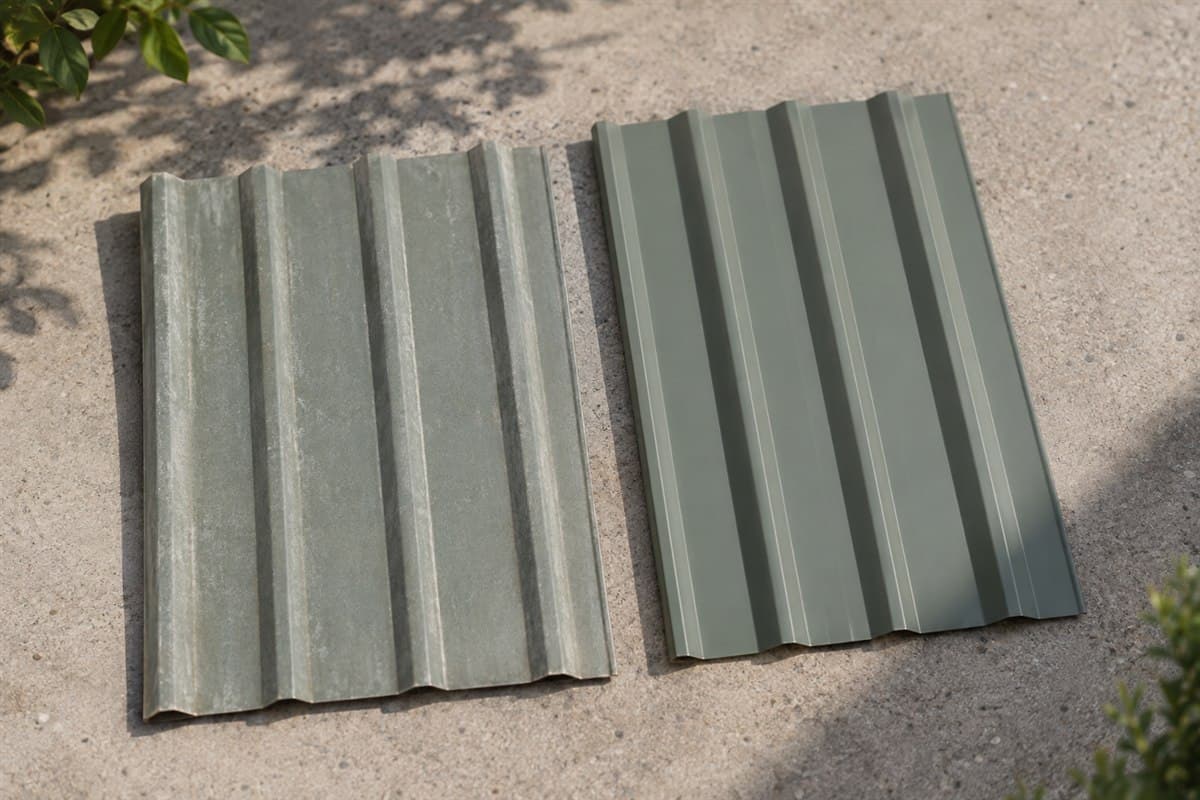
Find the old finish code if you can, then compare physical samples beside the existing metal. A color name or screen swatch is a starting point. It cannot promise a match to a weathered barn.
Decide whether your goal is to repeat the original finish or blend with the surface you see today. Those can be different goals. Put that choice in writing before selecting a replacement panel.
For roof inspection, use fall protection and hire a roofer if safe access is beyond your skills.
Look for a code before choosing a shade
Search receipts, packing labels, building papers, and spare-sheet tags. Copy the color name and code exactly. Keep any separate coating description. A finish includes the surface system, while color describes its visible shade.
Photograph the entire label rather than saving only the color line. You may need the panel identity to find the correct old chart. Do not assume two identical color names from different sources identify the same finish.
If there are no records, write unknown in the code field. Collect pictures of the existing wall or roof instead. A stored spare piece can help, but note where it has been kept. It may not look like the exposed building surface.
Do not remove roof trim to reveal sheltered paint. Use a loose spare piece or a safely visible protected area. If neither is available, leave that comparison blank.
Distinguish weathering from dirt
Painted metal can change appearance through fading and chalking. Chalking is a powdery surface change in the coating. Dust and surface dirt can also complicate your visual comparison.
Choose an accessible wall area rather than beginning on the roof. Read the panel maker's cleaning directions. If those directions permit it, clean a small comparison area with the stated method and let it dry. Keep a picture of the area before cleaning.
Do not use a wire brush, abrasive pad, or an unverified solvent to find the true color. The point is to compare the finish, not remove it. If the coating is peeling or its condition is uncertain, ask for assessment before treatment.
Record exposed and sheltered surfaces separately. Note which side of the barn each comes from. Do not average them into one imagined original color.
Compare samples where the panel will be seen
- Identify the candidate panel first. Match its profile, the sheet's end shape, and its intended roof or wall use. A close color does not fix an incompatible panel edge.
- Request the exact finish sample. Ask for a physical metal color chip for the candidate. A printed chart or phone image does not establish the final appearance.
- Place it beside the existing surface. Use a safely reachable location. Avoid scratching the panel or attaching the sample with unknown adhesive.
- Keep both surfaces in the same light. Compare them side by side in daylight, then from the normal viewing position. Record lighting and viewing direction.
- Look at shade and surface sheen. Sheen means how glossy or dull a finish looks. Describe visible differences with plain words, such as lighter, warmer, or glossier.
- Repeat against a sheltered sample if available. This helps distinguish matching the old finish from blending with its exposed surface. Keep the two results separate.
- Choose the acceptable boundary. Decide whether a visible replacement sheet is acceptable or whether you want a whole section considered. Do not enlarge the work area without checking the building's needs.
Take photos as a memory aid after the physical comparison. Keep the sample and its label. The photograph cannot replace the actual chip because screen settings can change displayed color.
Write a finish comparison record
Use this worksheet for each candidate. It makes your preference visible to anyone helping choose the panels.
| Field | Your note |
|---|---|
| Goal | Repeat original finish or blend with today's surface |
| Existing record | Color name, code, coating description, or unknown |
| Existing comparison spot | Wall side or loose piece; exposed or sheltered |
| Surface condition | Dry, cleaned as instructed, chalky, dirty, or uncertain |
| Candidate identity | Exact sample label and matching product description |
| Daylight difference | Lighter, darker, warmer, cooler, or close |
| Sheen difference | Glossier, duller, or close |
| Normal viewing result | Acceptable difference or clearly visible boundary |
| Decision | Keep candidate, compare another, or reconsider section scope |
This is your original comparison record. It describes an observed preference. It does not certify a laboratory color match.
Keep trim in the comparison
If you are replacing trim too, request its finish information separately. Trim is folded metal covering edges and joints. Compare a trim sample with the proposed sheet rather than assuming the name alone ensures identical appearance.
For a two-color lower wall, read How to Plan Metal Wainscot on a Building Wall. It keeps upper panels, lower panels, and the joining trim in separate ordering fields.
For one-sheet replacement, use How to Choose a Replacement Metal Roof Panel to settle fit first. Color is one part of that decision. It is not evidence of coating type, gauge, or fastening compatibility.
Compare the actual available options
Use 26-gauge PBR panel or 26-gauge R-panel only after confirming the profile needed for your job. Check their current finish information. This article does not establish a color range or promise that an old code is available.
Keep the physical sample label with the final parts list. Write the chosen finish once and copy it consistently to every relevant line. Mark trim separately so no one accidentally applies a panel choice to an unconfirmed trim finish.
Avoid picking from a tiny screen swatch, comparing a shaded chip with a sunlit wall, and demanding that fresh paint duplicate years of weathering. Your completed record should show the visible difference you accepted. If you have not seen a physical sample beside the existing surface, keep the color decision open.